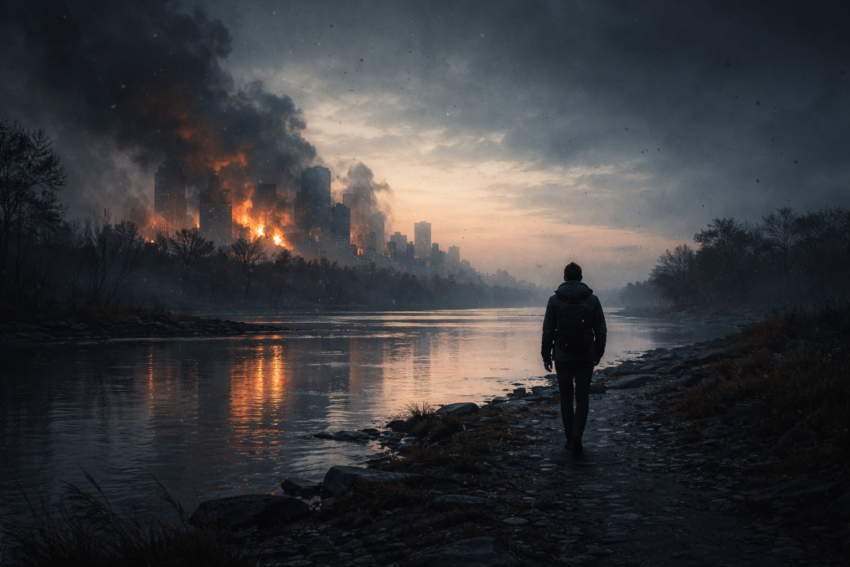
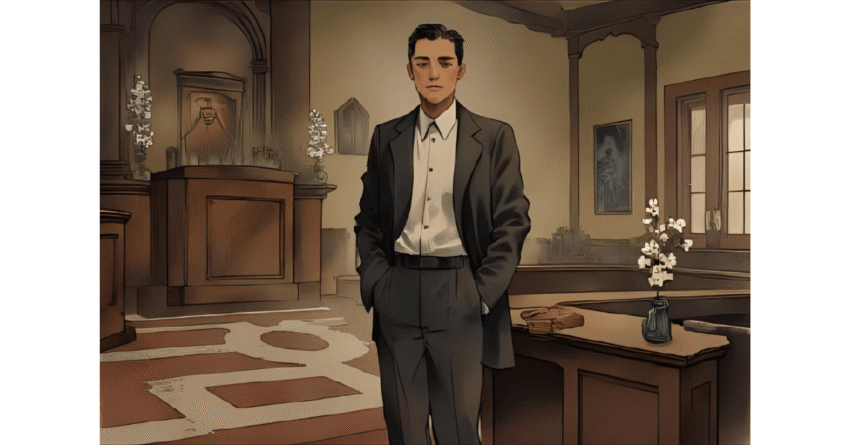
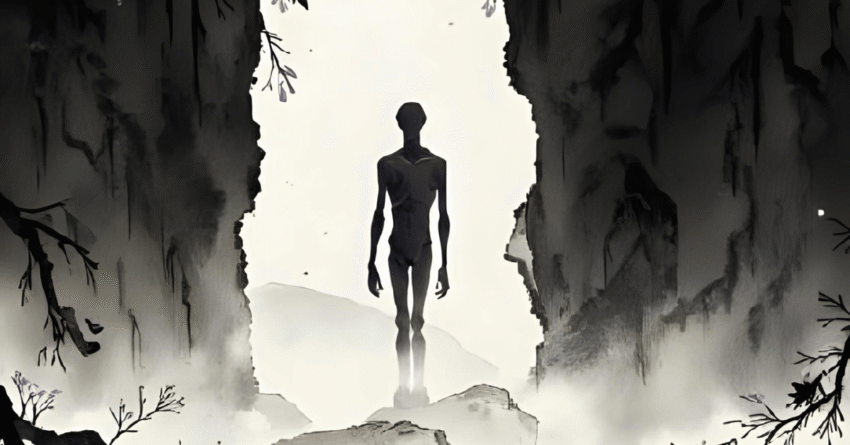
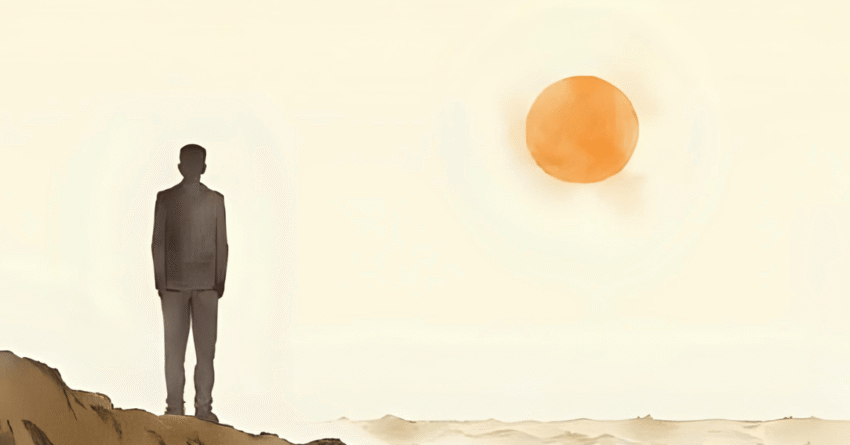
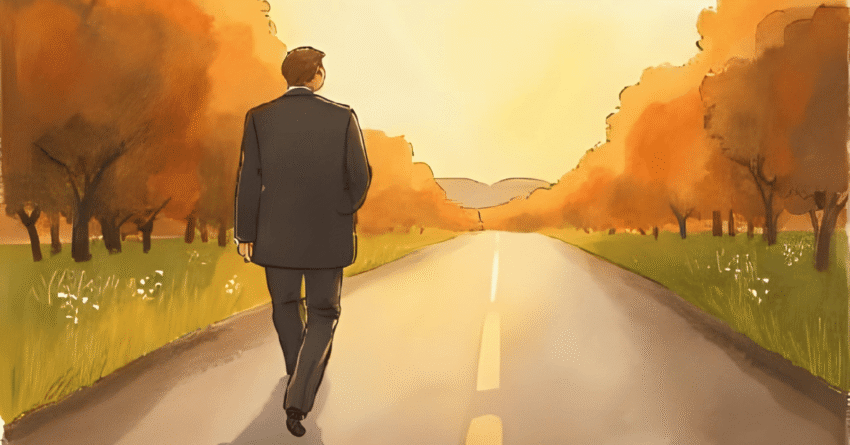
I. Introduction Most people live with a quiet hope that the universe is paying attention—that our joys matter, our suffering has purpose, and our deaths fit into some greater design. But what if the universe is not listening? What if the world meets our deepest questions with nothing but silence? This unsettling collision between our…
Category: Philosophical Logic
Explores ethics, epistemology, existentialism, and the logical frameworks authors use to build their worlds.
Example Post Ideas
The ethics of artificial intelligence in contemporary sci-fi; Existentialism and choice in crime literature.
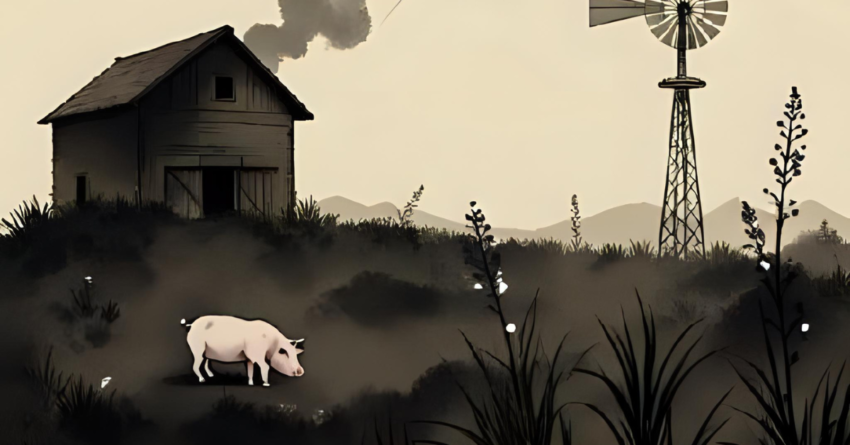
The Philosophical Blueprint for Tyranny in Animal Farm
Introduction George Orwell’s Animal Farm remains one of the most compact yet penetrating examinations of political decay in modern literature. Although often treated as a straightforward allegory of the Russian Revolution and Stalinist rule, the novella’s philosophical implications stretch far beyond its historical moment. Behind Orwell’s seemingly simple fable of barnyard rebellion lies an incisive…
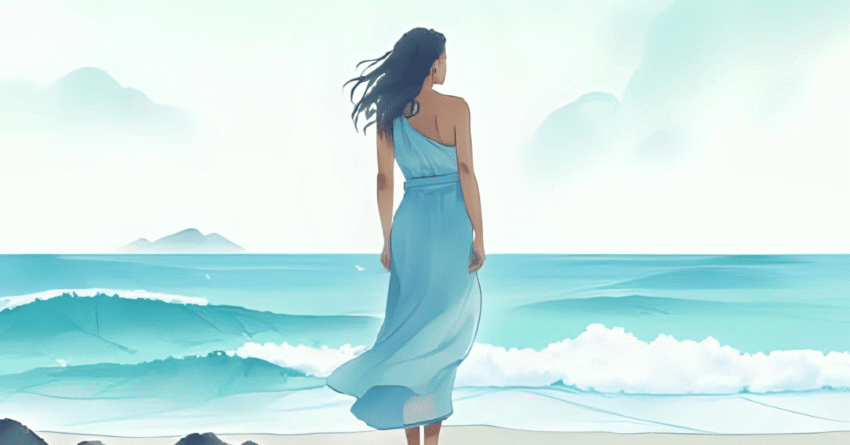
Edan Pontellier’s Existential Revolt Against the Absurd
The Awakening existential analysis Introduction Kate Chopin’s The Awakening stages a quiet rebellion, tracing one woman’s hunger for freedom and her struggle to construct meaning amid the suffocating expectations of a bourgeois world. Edna Pontellier is a protagonist who slowly comes into conflict with the roles prescribed to her—devoted wife, a self-effacing “mother-woman,” ornamental figure…
Understanding Sartre’s “Bad Faith”
What is Bad Faith Jean-Paul Sartre uses the term bad faith to describe a form of self-negation—a way in which a person lies to themselves by pretending they have no freedom, no choice, and no responsibility for how they live. In bad faith, someone convinces themselves that their situation defines them completely, and therefore they…
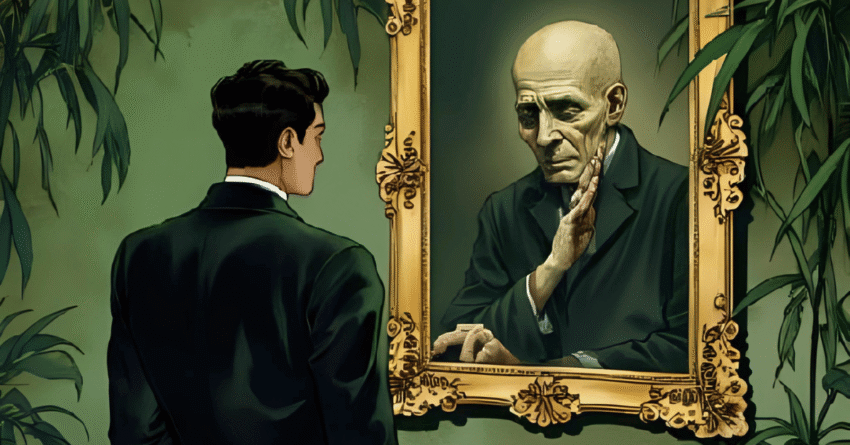
The Flawed Übermensch: Dorian Gray’s Aesthetic Calamity
A Philosophical Analysis of The Picture of Dorian Gray Introduction If Nietzsche imagined the Übermensch1 as a self-created being of higher values, Wilde imagined the nightmare version—self-creation stripped of ethics. Oscar Wilde’s The Picture of Dorian Gray stands as one of literature’s most provocative philosophical experiments, a gothic meditation on beauty, corruption, and the dangerous…
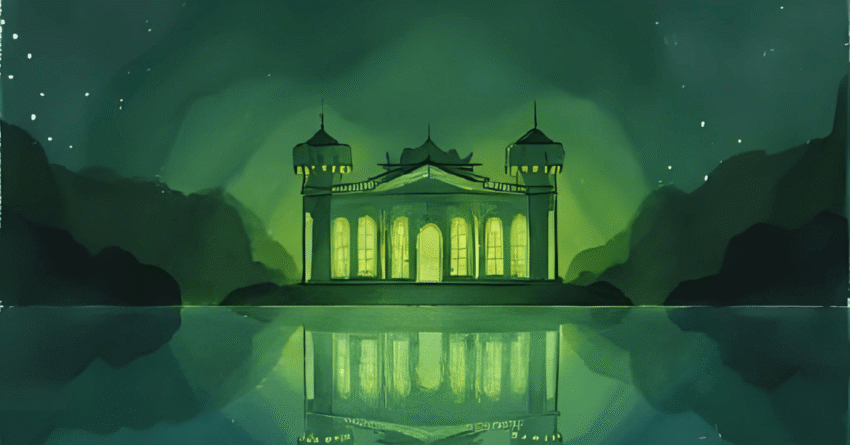
Something about Existentialism in The Great Gatsby
Philosophical Analysis of The Great Gatsby Introduction The Great Gatsby endures because it turns the American Dream into an existential riddle: we are free to invent ourselves, yet the world greets our inventions with silence. Amid champagne towers and yellow cars, the Dream itself collapses—not from scarcity, but from excess. Jay Gatsby, born James Gatz,…
Serving Others, Losing Oneself: The Existential Tragedy of Stevens
The Remains of the Day by Kazuo Ishiguro Introduction Each morning, Mr. Stevens polished the silver to perfection, a ritual of control that mirrored the quiet self-deception shaping his existence. Kazuo Ishiguro’s The Remains of the Day (1989) presents the quietly tragic life of Mr. Stevens, an English butler who prides himself on his unwavering…
The Dangers of Groupthink in Huckleberry Finn
The Adventures of Huckleberry Finn by Mark Twain Introduction: Raft vs. The Crowd In The Adventures of Huckleberry Finn (1884), Mark Twain exposes how society stifles individual morality through collective pressure. Between the quiet drift of the Mississippi and the noisy crowd ashore, Huck discovers that moral clarity floats best when it isn’t anchored to…
Existentialism in The Plague: From Nihilism to Human Solidarity
Albert Camus’s The Plague 1. Introduction Imagine your city waking to a rash of dying rats, then dying neighbors, and finally, the death of the illusion that life is fair. Albert Camus’s The Plague depicts an epidemic sweeping through the eerily calm city of Oran. It claims countless lives and exposes the fragility of human…
From Innocence to Monstrosity: The Nature vs. Nurture Theme in Frankenstein
Frankenstein Section 1. Introduction Are our traits and behaviors shaped more by innate character (nature) or by environments and societies that mold us (nurture)? Locke and Rousseau, among other philosophers, have wrestled with this question for centuries. Even today, the tension between nature vs. nurture shapes everything from parenting to AI design. Mary Shelley’s Frankenstein…