The Grapes of Wrath analysis Introduction First, we explored the fractured, permissive landscape of F. Scott Fitzgerald’s 1920s. Now, the trajectory of The Book Tapestry project demands a shift. Consequently, we must step across the definitive economic fault line of the twentieth century. During the Roaring Twenties, a dazzling, hyper-speculative euphoria dominated society. Suddenly, that…
Category: Social Forces Shaping Literature
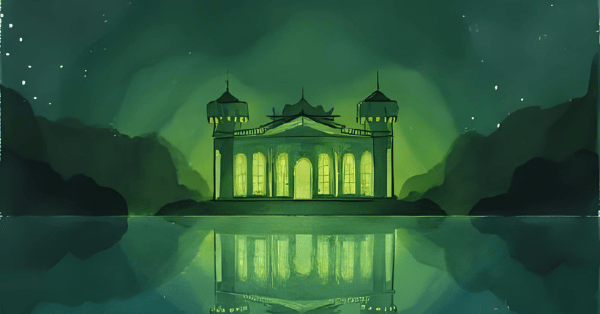
Fitzgerald’s Signals: The Great Gatsby
Introduction After rereading The Sun Also Rises, I wanted to continue exploring the 1920s through a different observer. While Ernest Hemingway examined the psychological consequences of the First World War, F. Scott Fitzgerald turned his attention toward American society itself. If Hemingway asked how people attempted to rebuild their lives after the collapse of old…
The Sun Also Rises Analysis: Generational Shifts & Hidden Signals
I have read The Sun Also Rises several times since I was a teenager, yet this recent rereading felt entirely different. Rather than approaching it simply as a classic tale of the “Lost Generation” or an unhappy love story, I examined it as part of The Book Tapestry project. Our core mission here is to…
Arendt, Foucault, and the Liquidation of the Self in Orwell’s 1984
Blog Summary This analysis explores how Orwell’s 1984 functions as a “laboratory of the soul” by synthesizing Hannah Arendt’s theories of social isolation with Michel Foucault’s mechanics of disciplinary power. It argues that the Party succeeds not just through outward violence, but by systematically dismantling the individual’s inner dialogue and replacing it with a state-authored…
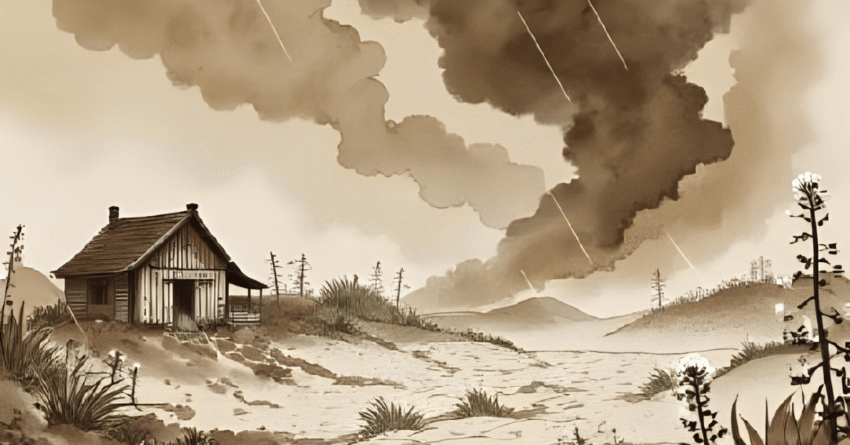
The Economics of the Dust Bowl and Its Literary Echoes
Introduction Black Sunday and Forced Migration The wind began as a whisper, then slowly sharpened into a howl. No one could have predicted that it would culminate in one of the most catastrophic environmental events in American History. On “Black Sunday” on April 14, 1935, residents of the Great Plains watched in horror as a…
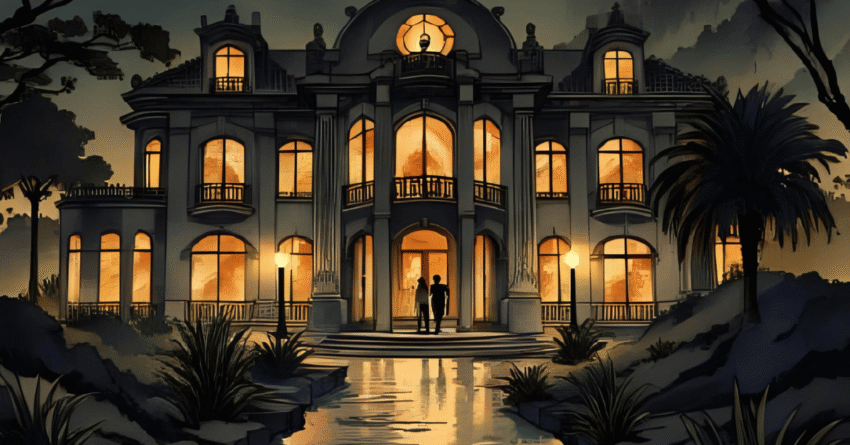
The Black Market, The Great Gatsby, and the Corrupted American Dream
The History & Economics in Literature: Prohibition and The Great Gatsby Introduction The Roaring Twenties were a decade of glittering contradiction. America attempted to legislate virtue through Prohibition, implemented the 18th Amendment1, and the Volstead Act2. Yet the decade throbbed with jazz, speculation, and rebellion against restraint. It was an age that preached purity but…