Introduction
What happens when the most fragile man in the galaxy becomes the only one strong enough to break its destiny? That is the paradox at the heart of the Mule: a figure so unlikely, so unheroic in appearance, that his rise feels like a cosmic joke with teeth.
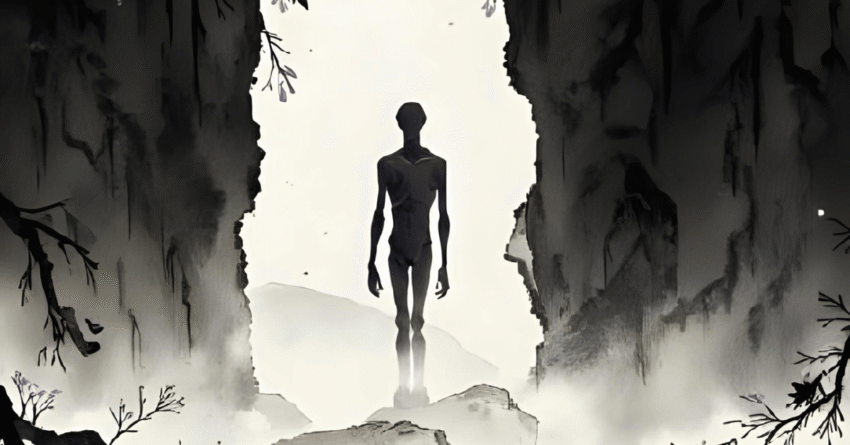
Asimov paints him with intentional awkwardness: tall and gaunt, with long, dangling arms and a nose too large for his face, marked by the general gracelessness of a clown. He looks like someone the universe has already dismissed. His body seems misassembled, as if nature muttered “good enough” and moved on1. This grotesque exterior mirrors the Nietzschean wound within: a life shaped by humiliation and the slow-burning resentment that follows.
Yet this improbable figure—known only as the Mule—is the single individual who slips the noose of psychohistory. He defies statistical determinism, bends the trajectory of empires, and forces even the Second Foundation to abandon its script. Physically weak but mentally overwhelming, he embodies a contradiction too potent to ignore.
This makes him the inverse of Camus’s Sisphus. Sisphus becomes heroic through conscious acceptance of fate: the Mule revolts out of emotional injury and unconscious resentment. Instead of confronting the absurd with lucidity, he imposes his damaged psychology onto the entire galaxy.
For this reason, the Mule is neither an Absurd Hero nor an Übermensch. He is an Absurd Misfire—a rebel driven not by freedom but by resentment, using power not to transcend meaninglessness but to enforce his own fragile version of meaning on everyone else.
This content is restricted to site members. If you are an existing user, please log in. New users may register below.